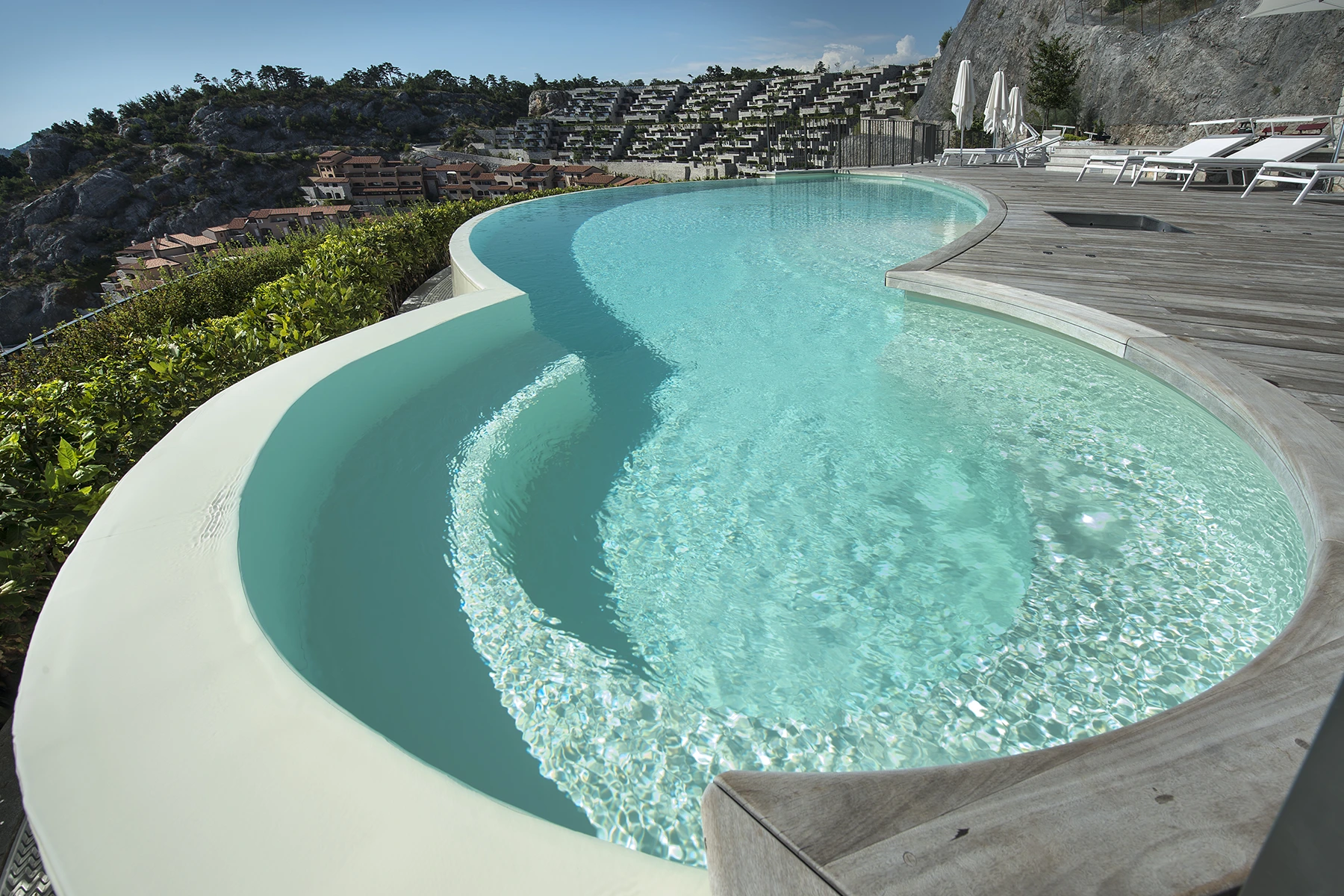

Why does the swimming pool increase the value of the Property?
If you are thinking of selling or renting your home, one of the questions you are sure to be asking yourself is: how much is my property worth?
The valuation of a house depends on many factors, including location, square footage, condition, finishes, and amenities.
Among the latter, one of the most popular and sought-after is definitely the swimming pool.
Why does a swimming pool increase property value? What are the advantages of having a house with a pool? What regulations and taxes should be taken into consideration? In this article we will try to answer these questions, based on data and research conducted by experts in the real estate field.
The advantages of having a house with a pool
Having a house with a swimming pool means being able to enjoy a place of relaxation, fun and well-being and within reach. In fact, a swimming pool is an element that enriches the outdoor space of the house, creating a pleasant and welcoming atmosphere. It also offers the opportunity to enjoy sports and healthy activities, such as swimming or water aerobics, without having to move or pay for subscriptions.
A house with a pool is also a great way to host friends and family, hold parties and barbeques, or simply spend time with family.
In short, a swimming pool is an added value to the quality of life of owners and potential buyers or renters.
The increase in the value of the property with a swimming pool.
But exactly how much is a house with a swimming pool worth?
According to research by experts in the real estate field, on average, the value of the house increases:
- + 10-11% when you install an in-ground pool in your residence
- + 20% as a result of work done for large or luxury inground pools
- + 50% when renting, if a villa has a swimming pool
This means that investing in the construction of a swimming pool can be worthwhile both to enhance the value of one’s property and to make it more attractive in the market.
Of course, the increase in value also depends on the type, size, and condition of the pool, as well as the characteristics of the property and the area in which it is located.
Standards and fees for homes with swimming pools
If you are considering installing a swimming pool at home, it is important to know the regulations and tax obligations to comply with to avoid surprises.
First of all, in order to build it, you need to apply in advance for the necessary permits from your municipality, which vary depending on the type and size of the pool. In general, an SCIA (Segnalazione Certificata di Inizio Attività) must be submitted for in-ground pools.
You then need to check whether your home falls into the luxury category, which results in higher taxes to be paid.
In fact, dwellings having the following characteristics fall into this category:
- an area greater than 160 square meters
- fine finishes
- a swimming pool no smaller than 80 square meters
If your home does not have these features, don’t worry: owning a swimming pool does not automatically mean you have additional taxes to pay. Instead, you can take advantage of some tax breaks for renovating an existing pool.
Conclusions
As we have seen, a swimming pool is an element that can increase the value of the property and make it more attractive on the market. If you need more information or advice, you can contact us. We will guide you in choosing the best solution for your needs and budget.